


Psychological health and workplace wellbeing
Building healthier conditions that account for workload, relationships, psychological safety, leadership and the realities of how work actually gets done.
This is where most organizations start, and it is often where the most useful surprises are. What presents as a wellbeing problem is frequently a workload design problem, a clarity problem or a leadership capacity problem wearing a different name.
Leadership and relational capacity
Helping leaders build the awareness, communication and relational skill needed to lead people through complexity, rather than only through process.
Most leaders are promoted for technical competence and then asked to do relational work nobody trained them for. That gap is workable, and naming it is usually a relief.
Trauma-responsive practice
Supporting organizations to understand how experiences of stress, adversity and trauma shape safety, trust, communication and participation at work.
Being trauma-responsive is not about knowing anyone's history. It is about designing conditions that do not require disclosure in order to be workable.
Neuropsychology-informed practice
Applying what is known about cognition, learning, attention, stress and regulation to the way organizations design work, communication and learning.
Cognitive load is a design variable. Meeting structures, handover processes and information density all set it, usually by accident.
Organizational change and transition
Helping organizations navigate the human experience of change alongside operational priorities, rather than as a communications exercise once decisions are made.
Learning and training
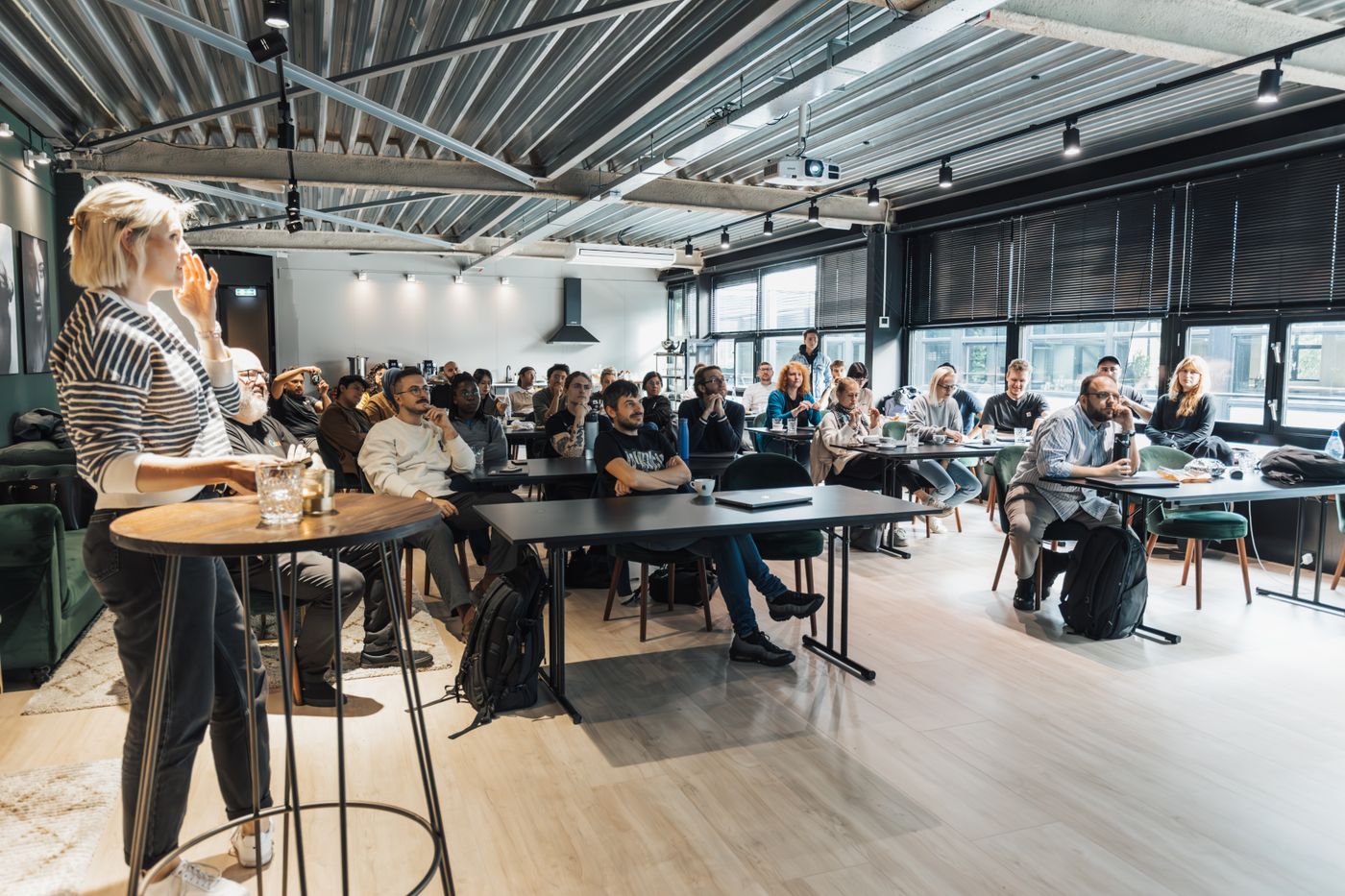
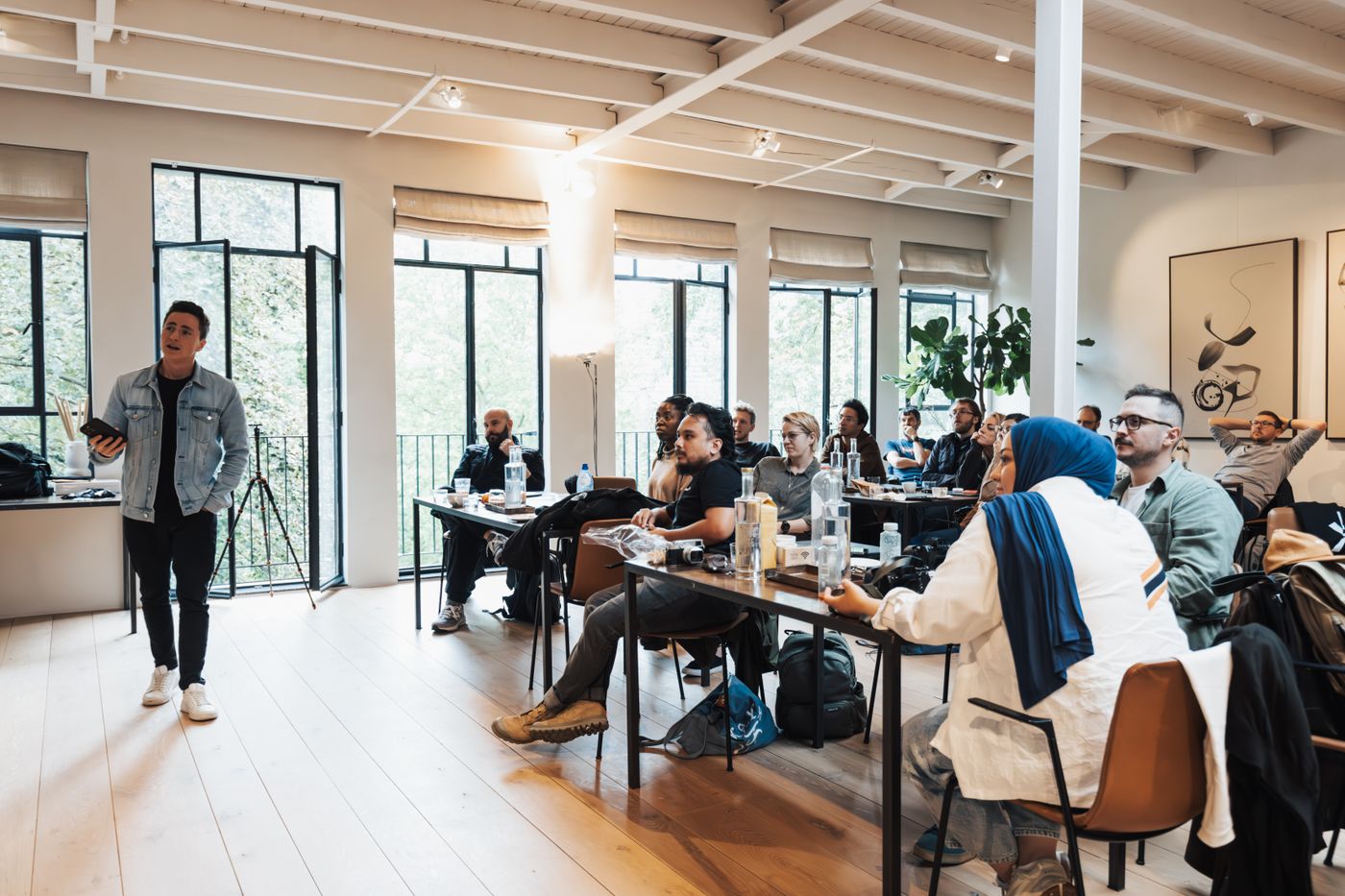
Practical learning experiences that build knowledge, skills and capacity, delivered in the room or online through LearnWell.
What would change if wellbeing were treated as part of how work is designed,rather than something people manage after hours?
That question sits underneath most of this work. It is also the question that separates a wellbeing initiative from an organizational one, and it tends to change what the answer costs.
Wellbeing Coaching
Support for individuals, alongside the organizational work
Organizational change takes time. Coaching gives individuals a structured space to work on what is in front of them while the wider conditions are being addressed.