

Mental Wellbeing / Wellness & Learning Initiatives

Because Work Is Human.

We help organizations understand what's happening beneath the surface, and create conditions where people, teams and organizations can thrive.

Four colleagues of different backgrounds working together around a laptop in a bright office
Your people aren't the problem. The conditions they're working in matter.
Psychologically informed
Neuro-informed
Trauma-responsive
Human-centred

What's happening beneath the surface?

Sometimes the workload is unsustainable.

Sometimes people don't feel safe to speak.

Sometimes change has outpaced people's capacity to process it.

Sometimes leaders are carrying more than anyone can see.

Sometimes the culture is asking people to survive what the organization hasn't learned to address.

Different workplaces. Different realities.

If you or someone you know is in crisis or in immediate danger, call 911.
In Canada and the United States, call or text 988 for suicide crisis support.

GuardMe is not a crisis service. We do not provide crisis intervention or emergency services.
Please do not use this website for urgent or crisis support.

Workplace support that looks beneath the surface.

Work is never just the task. Behind every project, decision, deadline and role is a person navigating relationships, expectations, change, responsibility and a life outside of work.

GuardMe helps organizations understand what may be happening underneath a visible workplace challenge, and build the practical conditions in which people, teams and organizations can do well.

Colleagues of different backgrounds in an open discussion around a table

Sometimes you know something isn't working. You just don't know what needs to change.

People are exhausted, and rest is not fixing it.

Communication has become difficult, and nobody can name when it started.

Leaders are carrying more than anyone can see.

A team is moving through change faster than it can process it.

You have already invested in wellbeing, and something still feels missing.

These experiences rarely have one cause. GuardMe looks at the person, the team and the system together.

What we can help with

Six areas of practice. They overlap in most real engagements, which is usually the point.

Psychological health and workplace wellbeing

Workload, relationships, psychological safety, leadership, and the realities of how the work actually gets done.

Leadership and relational capacity

The awareness, communication and relational skill it takes to lead people through complexity.

Trauma-responsive practice

How experiences of stress and adversity shape safety, trust, communication and participation at work.

Neuropsychology-informed practice

How people learn, attend, regulate and decide, applied to the way work and learning are designed.

Organizational change and transition

The human experience of change, held alongside the operational plan rather than after it.

Learning and training

Practical learning that builds knowledge, skill and capacity, in the room and online.

You don't need the perfect answer before you reach out.

Tell us what you are noticing. We will help you work out what may be happening underneath it and what could reasonably come next.

The conditions people work in are something you can design.

Wellbeing programmes often ask individuals to cope better inside arrangements nobody has examined. Workplace Services starts from the other end: what the organization has built, what it is asking people to absorb, and what it could build differently.

A diverse group of professionals in a collaborative work session

Psychological health and workplace wellbeing

Building healthier conditions that account for workload, relationships, psychological safety, leadership and the realities of how work actually gets done.

This is where most organizations start, and it is often where the most useful surprises are. What presents as a wellbeing problem is frequently a workload design problem, a clarity problem or a leadership capacity problem wearing a different name.

Leadership and relational capacity

Helping leaders build the awareness, communication and relational skill needed to lead people through complexity, rather than only through process.

Most leaders are promoted for technical competence and then asked to do relational work nobody trained them for. That gap is workable, and naming it is usually a relief.

Trauma-responsive practice

Supporting organizations to understand how experiences of stress, adversity and trauma shape safety, trust, communication and participation at work.

Being trauma-responsive is not about knowing anyone's history. It is about designing conditions that do not require disclosure in order to be workable.

Neuropsychology-informed practice

Applying what is known about cognition, learning, attention, stress and regulation to the way organizations design work, communication and learning.

Cognitive load is a design variable. Meeting structures, handover processes and information density all set it, usually by accident.

Organizational change and transition

Helping organizations navigate the human experience of change alongside operational priorities, rather than as a communications exercise once decisions are made.

Learning and training

Practical learning experiences that build knowledge, skills and capacity, delivered in the room or online through LearnWell.

What would change if wellbeing were treated as part of how work is designed,rather than something people manage after hours?

That question sits underneath most of this work. It is also the question that separates a wellbeing initiative from an organizational one, and it tends to change what the answer costs.

Wellbeing Coaching

Support for individuals, alongside the organizational work

Organizational change takes time. Coaching gives individuals a structured space to work on what is in front of them while the wider conditions are being addressed.

A person in a one-to-one coaching conversation over video from home

Start with what you're noticing.

You do not need a diagnosis of the problem. A description of what has changed is enough to begin.

Wellbeing coaching for real life.

Wellbeing is not a checklist. It is shaped by responsibilities, relationships, environments, values and capacity. Coaching gives you a structured space to clarify what matters and build strategies that hold up in your actual circumstances.

Sessions run virtually, in 30, 45 or 60 minutes, with no limit on how many you have. It starts with a free 15-minute conversation.

Goal-focused
Virtual sessions
Regulated practitioners
Not psychotherapy
A person greeting their coach at the start of a virtual session

What might you be working toward?

Clarity

Naming what actually matters, and what your priorities are asking of you right now.

Sustainable routines

Practical strategies that fit the life you have, not the one a plan assumes.

Boundaries and capacity

Understanding where your limits sit and how to hold them without losing connection.

Change and transition

Working through a shift in role, responsibility or circumstance with support alongside.

A space to think.Not another place to perform.

Coaching is not about being told how to live. It is a collaborative, goal-focused conversation that makes room to pause, notice what matters and explore what is genuinely possible from where you are standing.

What to expect

Structured, not scripted

Sessions have a shape and a purpose. The direction stays yours, and you set the pace.

Built around your time

30, 45 or 60 minutes, virtually, as often or as rarely as is useful. There is no set number of sessions.

Connected to learning

Where it is useful, coaching can be paired with relevant LearnWell courses between sessions.

Who you'll be working with

Coaching at GuardMe is delivered by Registered Social Workers, Registered Psychotherapists and Counsellors. You are working with regulated practitioners who bring clinical training to a coaching conversation.

That has a consequence worth stating plainly rather than burying: because your coach is a regulated professional, the professional and legal limits to confidentiality apply here as they would anywhere else in regulated practice. Coaching is confidential, and it is not unconditionally confidential. The limits are set out in your coaching agreement before a first session, so you know them going in.

What Wellbeing Coaching is not

Wellbeing Coaching is not psychotherapy, diagnosis, crisis intervention or emergency mental health care. It is not intended to replace medical or mental health treatment when that care is needed.

Our coaches are regulated clinicians, and coaching is not the practice of their clinical professions. It is a distinct, goal-focused service, and we hold that line deliberately.

GuardMe does not provide crisis intervention or emergency services.

Crisis and emergency support

If you or someone you know is in crisis or immediate danger, call 911.

In Canada and the United States, call or text 988 for suicide crisis support.

Please do not use this website or the contact form for urgent or crisis support.

LearnWell

Coaching, with learning alongside it

Coaching can be complemented by flexible online learning through LearnWell. Individuals and organizations can combine coaching with relevant courses where that makes sense.

A learner making notes beside a laptop while working through a course

You don't need to know what you need yet.

The first conversation is 15 minutes and free. Tell us what you are noticing and what you are hoping might shift, and we will help you work out whether coaching is the right fit.

What to expect, before you decide.

Most people want to know three things before they book anything: what actually happens, who they will be talking to, and what other people will find out. Here are the answers, so you can make the decision with the information rather than after it.

A person in conversation during a virtual coaching session at home

How it usually goes

Four stages. You can stop at any one of them, including the first.

1

A free 15-minute conversation

Fifteen minutes, at no cost, to work out whether coaching is the right thing for what you are carrying. No commitment, and no obligation to explain more than you want to.

Sometimes this conversation ends with us saying coaching is not what you need. That is a legitimate outcome, not a failed sale.

2

Your first session

You set the agenda. There is no intake questionnaire to complete and no history you are required to disclose. We start from what you want to be different, not from what has gone wrong.

If you are not sure what you want to be different, that is a workable starting point too.

3

The work in between

Coaching happens in the sessions and between them. What you take away is small, specific and yours to adjust: something to try, notice or decide, sized to the week you are actually going to have.

Where it is useful, a relevant LearnWell course can sit alongside the sessions.

4

Ending

There is no set number of sessions and no cap. You decide when coaching has done its job, and you can pause, stop or change direction without justifying it.

We will also name it if we think you have got what you came for. Coaching that continues out of habit is not coaching.

Who you'll be working with

Coaching is delivered by Registered Social Workers, Registered Psychotherapists and Counsellors. These are regulated practitioners with clinical training, accountable to their professional colleges.

Two things follow from that, and they pull in opposite directions, so both are worth saying.

What you gain

Someone who can recognize when what you are describing is bigger than a goal-setting conversation, and who is professionally obliged to tell you so rather than keep the sessions running.

What it means for privacy

Regulated practice comes with legal and professional limits to confidentiality. They apply here. Coaching is confidential, and it is not unconditionally confidential.

What your employer finds out.Usually: that you attended. Not what you said.

When an organization funds coaching, they receive confirmation of participation and, where agreed, anonymized themes across a group. They do not receive session content, notes or anything attributable to you. If any part of that changes for a particular contract, you are told before your first session, not after.

The limits to confidentiality

Because your coach is a regulated professional, the same limits apply as in any regulated practice. There are circumstances in which a practitioner is legally or professionally required to disclose information, including where there is risk of serious harm to you or to someone else, where a child may be at risk, and where records are compelled by a court.

These are set out in full in the coaching agreement, which you receive before a first session rather than in the middle of one. If anything in it is unclear, the 15-minute conversation is a reasonable place to ask.

If coaching isn't the right fit

If what you bring is bigger than coaching

Sometimes what surfaces needs clinical care rather than a goal-focused conversation. Your coach is trained to recognize that, will say so directly and early, and will help you work out where to go next.

This is not you being turned away. It is the boundary working the way it is supposed to.

If the fit just isn't right

Sometimes it is not the service but the person. You can ask for a different coach without explaining why, and it will not affect your access to coaching.

If you're not ready yet

Wanting information is not the same as wanting to start. Nothing here creates an obligation, and nobody will follow up unless you ask them to.

If you already have a therapist

Coaching can run alongside existing care. Whether that is useful in your case is worth raising in the first conversation.

Practical questions

How long is a session, and how often?
Sessions are 30, 45 or 60 minutes. Frequency is yours to set, and it can change as circumstances do.
Is coaching virtual or in person?
Coaching sessions are delivered virtually only. That is what makes it workable across time zones, shift patterns and the weeks when getting anywhere is the hardest part.
How many sessions do people have?
There is no limit and no required minimum. Some people come for a handful of sessions around a specific decision. Others work over a longer stretch. Both are normal.
Who pays for it?
Coaching can be funded individually or by an organization on behalf of its people. Both routes are available, and the coaching itself is the same either way.
What if I need to cancel?
Cancellations need at least 48 hours' notice to avoid a financial penalty. If something urgent happens inside that window, tell us anyway rather than not showing up.
What records are kept, and for how long?
Records are kept in line with the requirements of the coaches' regulatory colleges, the CRPO and the RSWO. Retention periods and your rights of access follow those standards rather than a policy we set ourselves.
Do you bill insurance?
No. Coaching is not formal counselling, so we do not work with insurance carriers and coaching is not submitted to them. If you are looking for a service that can be claimed, coaching is not it, and it is better to know that now.

What Wellbeing Coaching is not

Wellbeing Coaching is not psychotherapy, diagnosis, crisis intervention or emergency mental health care. It is not intended to replace medical or mental health treatment when that care is needed.

Our coaches are regulated clinicians, and coaching is not the practice of their clinical professions. It is a distinct, goal-focused service.

GuardMe does not provide crisis intervention or emergency services.

Crisis and emergency support

If you or someone you know is in crisis or immediate danger, call 911.

In Canada and the United States, call or text 988 for suicide crisis support.

Please do not use this website or the contact form for urgent or crisis support.

Ready, or still deciding?

Both are fine. The first conversation is 15 minutes, free, and exists partly so you can find out whether this is for you. If you would rather read more first, start with how we think about this work.

Learning should change what people can do.

Not just what they know. GuardMe creates practical learning experiences that connect evidence with the realities of work: facilitated sessions, workshops, customized training, and online learning through LearnWell.

A facilitator leading a workshop for a diverse group in a conference room

Learning that meets people where they are

People do not arrive in a learning environment as blank slates. They bring experience, culture, knowledge, stress, responsibilities, different ways of processing information, different levels of confidence, and different reasons for being in the room at all.

Our approach makes room for that complexity while keeping the learning practical and purposeful. What people leave with should survive contact with a normal Tuesday.

What learning can look like

Workshops

Focused, interactive sessions built around a specific topic or workplace need.

Customized training

Learning developed around your organization's context, goals and people.

Leadership learning

Practical capacity for communication, relationships, decision-making and leading through complexity.

Team learning

Shared language and strategies a team can still use a month after the session ends.

Organizational learning

Broader initiatives connected to workplace culture, wellbeing and change.

LearnWell e-learning

Flexible online learning that can complement facilitated experiences or stand on its own.

Two certificated programmes

Mental Health First Aid and ASIST are frequently spoken about together and they are not interchangeable. They build different capabilities, they run in different formats, and they are available in different countries.

Mental Health First Aid
ASIST
What it builds
Awareness and confidence around mental health, and a shared language for noticing, responding and referring.
Applied skills for intervening directly with a person at risk of suicide.
Options
Essentials: six hours of content, delivered in one day.
Certification: a two-day course.
One programme, two days. There are no variants.
Delivery
In person or virtual. Both options apply to Essentials and to certification.
In person only. There is no virtual option.
Group size
Virtual: 8 to 15 participants.
In person: 8 to 25 participants.
8 to 25 participants. Minimum age 15.
Availability
Canadian-based organizations only.
Canada and the United States. No jurisdictional restriction.
Best fit when
You want a broad base of people across the organization able to recognize and respond.
You want a smaller group prepared to act when someone is at immediate risk.

Plenty of organizations run both, with Mental Health First Aid across a wide group and ASIST with a smaller number of people who are most likely to be the first person someone turns to.

Tell us what people need to be able to do.

Start from the capability rather than the curriculum, and the right format usually becomes obvious.

Mental Health First Aid for workplaces.

Mental Health First Aid gives organizations a structured way to build awareness and confidence around mental health, and a shared language for the conversations that follow.

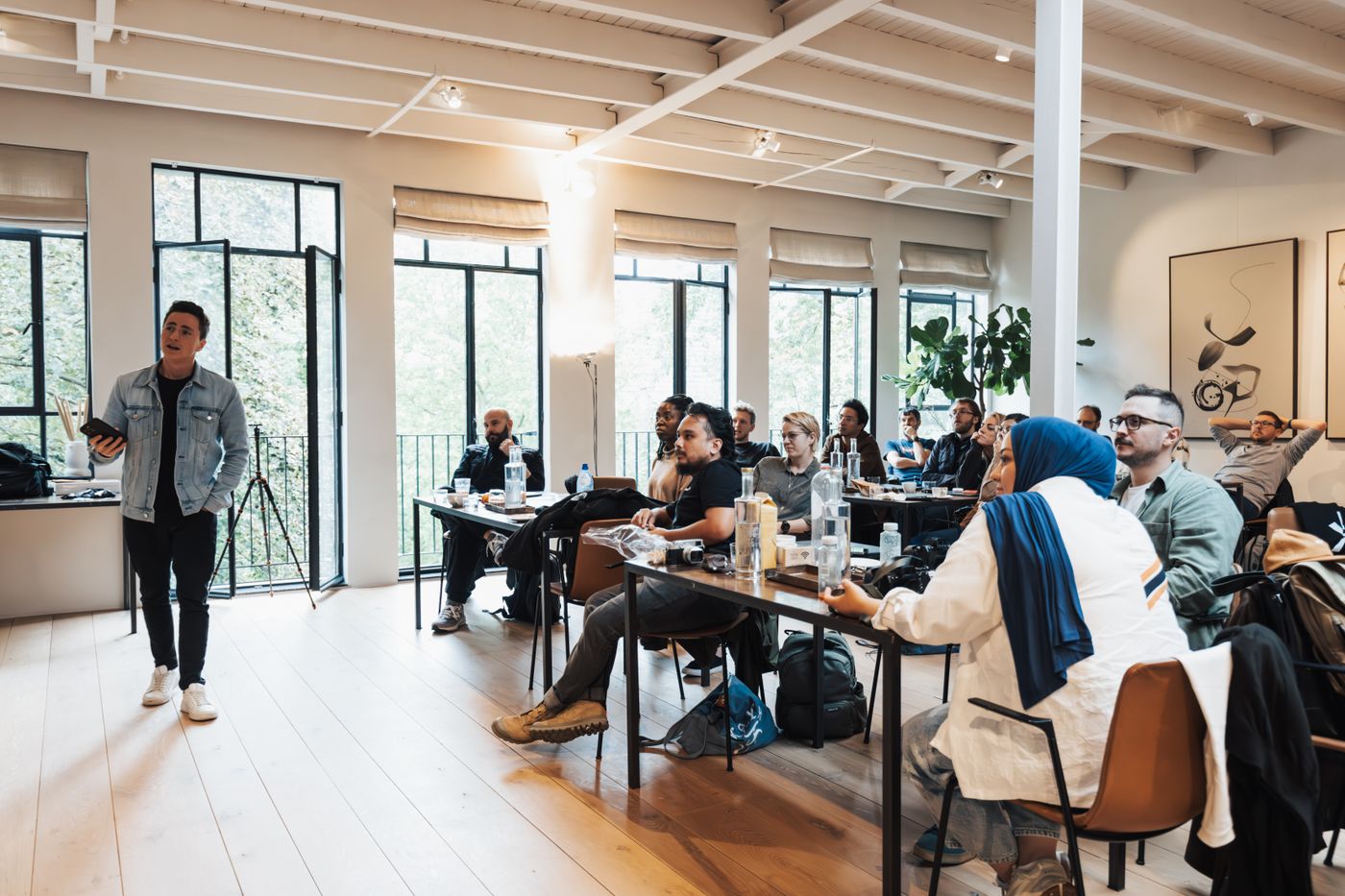
Participants of different backgrounds taking part in a training course

Availability

GuardMe's Mental Health First Aid facilitation is available only to Canadian-based organizations. It is the only programme we offer that carries this restriction. If your organization is based in the United States, ASIST and all of our other learning, coaching and workplace services are available to you.

Two versions of the course

The choice is about depth rather than quality. Essentials suits a broad rollout where you want a shared baseline. The certification course goes further, and is the right call where people will be relied on to respond.

MHFA Essentials

Six hours of content, delivered in one day. A grounding in mental health awareness and the confidence to notice something and say something.

Suited to reaching a wide group without asking each person for more than a single day.

MHFA certification

A two-day course. For people who will be relied on to respond rather than only to recognize: more time, more depth, and certification at the end.

Both versions are available in person or virtually.

Format and group size

Both Essentials and certification run in person or virtually. Group size depends on the format, and the numbers are firm rather than indicative.

Virtual: 8 to 15 participants

Works well when people are spread across sites, shifts or provinces, and when pulling everyone into one room would mean the training simply does not happen.

In person: 8 to 25 participants

Works well when the group already works together and part of the value is in what gets said between people in the room.

Either way

Participants need to be able to step away from a session without accounting for it. That is easier to arrange virtually, and needs planning in a room.

What to tell us

Group size, whether people are in one location, and whether you are working to a deadline. That is usually enough to recommend a version and a format.

Who it's for, and what it isn't

Organizations that want more of their people able to notice, respond and refer. It is not a clinical qualification and it does not turn participants into counsellors, which is worth saying plainly to a group before they arrive.

It is also most useful as part of something wider. A cohort of trained people inside conditions nobody has examined tends to absorb strain rather than reduce it.

A note on content

This training deals directly with mental health and distress. Some participants will have personal experience of what is being discussed, whether or not anyone knows that.

Sessions are run so that people can participate without disclosing, and step away without accounting for it.

Crisis and emergency support

If you or someone you know is in crisis or immediate danger, call 911.

In Canada and the United States, call or text 988 for suicide crisis support.

Please do not use this website for urgent or crisis support.

Enquire about Mental Health First Aid

Tell us the size of the group, whether people are in one place, and what you are hoping they will be able to do afterwards.

ASIST prepares people to respond when someone is at risk.

Applied suicide intervention skills training, for workplaces that want a group who can act rather than hope the right person happens to be nearby.

A small in-person group seated together during a workshop session

The essentials

A two-day course, delivered in person only, for 8 to 25 participants. There is no virtual option and no shorter version. Minimum age is 15.

ASIST is available to organizations in both Canada and the United States. Unlike Mental Health First Aid, it carries no jurisdictional restriction.

ASIST is not Mental Health First Aid

The two are often mentioned in the same breath and they do different jobs. Mental Health First Aid builds awareness and the confidence to notice, respond and refer, across as broad a group as you want, in person or virtually, for Canadian-based organizations only.

ASIST prepares a smaller number of people to intervene directly with someone at risk of suicide. Two days, in person, in either country. One programme with no variants, because the skills it builds are not the kind that shorten well.

If you are deciding between them, the question is not which is better. It is whether you need breadth or depth, and whether the people you have in mind are likely to be the first person someone turns to.

What in-person only means in practice

Worth working through before you enquire, because these are usually the things that decide whether it can be scheduled at all.

Everyone in one room, for two days

The group cannot be split across sites or joined remotely. For organizations with people spread across locations, that generally means travel for someone.

A venue that works

A room 8 to 25 people can move around in, and somewhere a participant can step out to without walking through the middle of the session.

Coverage, not just calendars

People are away from the floor for two full days. In shift-based and frontline settings, arranging cover is usually the real constraint rather than finding a date.

No readiness conversation required

We do not require an organizational readiness process before you can book. If you want one, we are glad to have it, but it is not a gate.

Who it's for

People realistically likely to be in the position: team leads, supervisors, peer supporters, frontline and first-response roles, and anyone others already tend to go to. Participants must be at least 15 years old.

It is not a clinical qualification. It prepares someone to recognize risk and stay with a person through an intervention until further support is in place.

A note on content

This training deals directly with suicide and risk, and it involves practising intervention rather than only discussing it. Participants should know that before they arrive rather than on the day.

Because it runs in a room over two days, stepping out is more visible than it would be online. That is worth planning for: a break structure that does not require anyone to explain themselves, and a named person available if someone needs to stop.

Some participants will have personal experience of what is being discussed, whether or not anyone knows that.

Crisis and emergency support

If you or someone you know is in crisis or immediate danger, call 911.

In Canada and the United States, call or text 988 for suicide crisis support.

Please do not use this website for urgent or crisis support.

Enquire about ASIST

Tell us roughly how many people, where they are based, and what you are trying to build capacity for.

Learning does not stop when the workshop ends.

LearnWell is GuardMe's e-learning platform: flexible online courses that fit into the realities of work and life, for individuals and for teams.

LearnWell has its own site at learnwell.me, where the full catalogue lives.

Go to learnwell.me ↗
A learner studying at a desk with books and a laptop

Learning that works around people

Not every organization can bring everyone into the same room. Not every learner needs the same pace. Not every learning moment arrives during a scheduled session.

LearnWell is another pathway. It supports individual development, team learning and ongoing professional development, and it holds the thread between facilitated sessions.

Individual development

Self-directed learning at whatever pace the week allows, without needing to book anything.

Team and organizational learning

Shared courses that build common language across a group, including people who could not attend in person.

Learning between sessions

Something to work with in the gap between facilitated days, or alongside coaching.

Built to complement human learning.Not to compete with it.

Digital learning is one part of a wider ecosystem. Depending on the need, LearnWell sits alongside facilitation, coaching, workshops and organizational learning rather than replacing any of them. A course is a poor substitute for a conversation, and an excellent way to keep one going.

The catalogue

The full course catalogue lives on the LearnWell site. It is maintained by our own team, who keep the content relevant and current rather than leaving courses to age quietly in a library.

Every course lists the same fields in the same order, so you can compare options without reading marketing copy: title, audience, format, approximate duration, learning outcomes, certificate information where applicable, and how to get access.

learnwell.me

Browse the full catalogue

Course listings, descriptions and access information are all on the LearnWell site.

Go to learnwell.me ↗

A learner following an online module with headphones at a monitor

Find out what's available to your organization.

Access arrangements differ depending on the size of the group and how LearnWell sits alongside anything else you are running.

Different workplaces. Different realities.

What wellbeing looks like in healthcare is not what it looks like in education. A frontline workplace runs on different realities than a professional services firm. A community organization faces different pressures than a public agency.

GuardMe adapts the conversation to the people, the systems and the conditions doing the work.

Healthcare professionals of different backgrounds standing together

Not sure which one fits?

Plenty of organizations sit across two of these, and the sector matters less than what is actually happening. Start with what you are noticing.

Where we most often help

Start with what you're noticing.

You do not need to have worked out the cause. A description of what has changed is enough to begin a useful conversation.

Because the person is never separate from the system.

Workplace experience is shaped by people. It is also shaped by relationships, policy, leadership, workload, culture, resources, history and the wider social context. Our approach holds both.

Colleagues from a range of backgrounds working together at a shared table

Human-centred

We keep people and their lived realities in view.

Evidence-informed

We draw on credible knowledge and practice, and we say when something is a judgement rather than a finding.

Context-aware

We do not assume that what worked in one organization transfers to another.

Trauma-responsive

Where relevant, we work with safety, predictability, choice, voice, trust and connection.

Neuropsychology-informed

We consider how people learn, process, regulate, decide and function under pressure.

Inclusive by design

People bring different identities, cultures, histories, bodies, responsibilities and experiences to work. We do not treat any one of those as the default.

Strengths-based

We do not approach people, teams or communities as problems to be solved. We start from the strengths, relationships and resources already present.

Practical

Good ideas still have to work on a Tuesday.

Because Work Is Human.This does not mean workplaces simply need to be nicer.

It means recognizing that every task, decision and role is carried by a person having a human experience. Understanding that helps organizations make better decisions, design better work and build conditions people can actually sustain. It is a design principle, not a sentiment.

What this rules out

An approach is only meaningful if it excludes something. Three things ours excludes:

Resilience as the whole answer

Individual capacity matters. It cannot be the only variable an organization is willing to change.

Deficit framing

We do not start from what is wrong with a group of people. We start from what conditions are asking of them.

Borrowed solutions

Something that worked elsewhere is a hypothesis, not a plan.

See how we work differently.

The clearest way to understand the approach is to talk through something specific you are dealing with.

A different way to think about workplace wellbeing and learning.

GuardMe Wellness & Learning Initiatives is a branch of GuardMe. It brings together workplace services, Wellbeing Coaching, learning and facilitation, and LearnWell online education, and the work sits at the intersection of people, learning, wellbeing and organizational life.

A team of mixed backgrounds and ages in conversation in an open office

Part of GuardMe

Wellness & Learning Initiatives is a branch of GuardMe rather than a separate company. That matters in two practical ways.

It means the workplace, coaching and learning work sits inside an established organization rather than alongside one. It also means that when you are talking to us, you are talking to a team with a defined remit, not to GuardMe as a whole.

What we believe

People are not separate from the workplace

What happens outside the organization shapes the experience inside it.

Context matters

There is no universal workplace solution.

Wellbeing cannot rest entirely on individual resilience

Organizations also have to look at the conditions they create.

Learning should be useful

Knowledge matters most when people can translate it into practice.

Inclusion should be lived, not stated

The people represented in our work, our imagery and our language should reflect the complexity of the workplaces we serve.

Limits should be visible

What a service is not belongs on the page, not in the small print.

Where we work

GuardMe supports organizations across Canada and the United States, subject to the requirements applicable to each service and jurisdiction.

One programme carries a restriction: Mental Health First Aid facilitation is available only to Canadian-based organizations. It runs in person or virtually, as Essentials or as the certification course. ASIST is available in both countries and is delivered in person only, over two days.

Wellbeing Coaching is delivered virtually and is not limited by location.

A note on insurance

Wellbeing Coaching is not formal counselling, so we do not work with insurance carriers and coaching is not submitted to them for reimbursement.

This is worth being direct about rather than leaving people to discover it after a first session. Our coaches are regulated clinicians, and coaching is deliberately not the practice of their clinical professions. If what you need is claimable counselling, coaching is not it, and knowing that early saves everyone time.

Let's talk about what you're working on.

The most useful conversations start with something concrete rather than a brief.

Ideas for understanding work more deeply.

Practical writing on workplace wellbeing, leadership, learning, organizational change and the human realities of work.

Workplace wellbeing

Article title

Short introduction, two lines at most, written to be readable on its own.

Leadership

Article title

Short introduction, two lines at most, written to be readable on its own.

Organizational change

Article title

Short introduction, two lines at most, written to be readable on its own.

Every article follows the same six parts

Holding one structure is what turns a blog into a resource. It also makes a second visit far quicker, when someone is looking for one specific thing they half-remember reading.

Why this matters
The workplace issue in plain terms, before any theory.
What we know
Evidence-informed information in accessible language, with the limits of the evidence named rather than smoothed over.
What this can look like at work
The concept translated into practical considerations someone could act on this month.
Questions to consider
Reflective questions for leaders and teams. Questions, not prompts to buy something.
Where to go next
A link to the relevant service, coaching option, training or LearnWell course.
Scope note, where the topic needs one
On anything touching distress, risk or mental health, the article carries the same crisis block as the rest of the site.

Something here worth a conversation?

If an article describes something you recognize, that is usually a better starting point than a brief.

Questions people ask us first.

If what you need is not answered here, ask us directly. We would rather tell you we are not the right fit than have you work it out three meetings in.

Do you work with organizations in the United States?
Yes. GuardMe works across Canada and the United States, subject to the requirements applicable to the specific service and jurisdiction.
Is Mental Health First Aid available in the United States?
No. GuardMe's Mental Health First Aid facilitation is available only to Canadian-based organizations. ASIST is different: it is available to organizations in both Canada and the United States.
What is the difference between Mental Health First Aid and ASIST?
They build different things. Mental Health First Aid develops awareness and the confidence to notice, respond and refer, and suits a broad group. ASIST prepares a smaller number of people to intervene directly with someone at risk of suicide. Many organizations run both.
Can this training be delivered virtually?
Mental Health First Aid runs in person or virtually, as Essentials (six hours in one day) or as the two-day certification course. Group sizes are 8 to 15 virtually and 8 to 25 in person. ASIST is a two-day in-person course for 8 to 25 participants, with no virtual option.
How does GuardMe Wellness & Learning Initiatives relate to GuardMe?
Wellness & Learning Initiatives is a branch of GuardMe. It is where GuardMe's workplace, coaching and learning work sits.
Do you provide crisis support?
No. GuardMe does not provide crisis intervention or emergency services. If you or someone you know is in crisis or in immediate danger, call 911. In Canada and the United States, call or text 988 for suicide crisis support.
What is Wellbeing Coaching?
A structured, goal-focused service supporting wellbeing goals, reflection, practical strategies and accountability. Sessions are virtual, 30, 45 or 60 minutes, with no limit on how many you have. The first conversation is 15 minutes and free. It is not psychotherapy, diagnosis or crisis intervention.
Who delivers the coaching?
Registered Social Workers, Registered Psychotherapists and Counsellors. Because they are regulated practitioners, the professional and legal limits to confidentiality apply, and these are set out in the coaching agreement before a first session.
Can I claim coaching through my insurance?
No. Coaching is not formal counselling, so we do not work with insurance carriers and coaching is not submitted to them.
What is your cancellation policy for coaching?
Cancellations need at least 48 hours' notice to avoid a financial penalty.
If my employer pays for coaching, what do they find out?
Confirmation of participation and, where agreed, anonymized themes across a group. Not session content, and nothing attributable to an individual. Anything different for a specific contract is explained before a first session.
What is LearnWell?
GuardMe's e-learning platform, providing flexible online learning for individuals and organizations. It has its own site at learnwell.me, and the catalogue is maintained by our team.
Can services be customized?
Yes. Our approach is context-aware, and services can be adapted to organizational need, learning objectives and delivery requirements.
Do you work with different sectors?
Yes, across healthcare, education, government and public sector, nonprofit and community organizations, corporate and professional services, and trades, operations and other work environments.

Still have a question?

Ask it directly. A short message is enough.

Let's talk about what is happening in your workplace.

You do not need to arrive with a diagnosis. You do not need the solution worked out. Tell us what you are noticing, what you are trying to accomplish and what feels difficult right now. We will start there.

What are you looking for?

And who is this for?

Before you write to us

Please do not include urgent, crisis-related or highly sensitive personal information in this form. Share only what you are comfortable putting in writing. There will be room for the rest in conversation.

GuardMe does not provide crisis intervention or emergency services.

Crisis and emergency support

If you or someone you know is in crisis or immediate danger, call 911.

In Canada and the United States, call or text 988 for suicide crisis support.

Please do not use this form for urgent or crisis support.

Sending this does not commit you to anything. You can stop at any point, including after the first conversation.

We have your message.

Nothing else is needed from you right now. Here is exactly what happens next, so you are not left wondering.

While you wait

This is not a monitored inbox and it is not a crisis service. If something changes before you hear from us and you need support urgently, please use the numbers alongside.

If you need to reach us in the meantime, email wellbeing@guardme.us on weekdays.

·

Crisis and emergency support

If you or someone you know is in crisis or immediate danger, call 911.

In Canada and the United States, call or text 988 for suicide crisis support.

Please do not use this website for urgent or crisis support.